top of page

BLOGS

Search

Trench excavation requires protective equipment that can meet demanding site conditions while remaining practical to transport, position, install, and relocate.


Aluminum steel framed trench shields provide an alternative configuration for excavation projects where equipment weight, structural performance, mobility, and jobsite efficiency must all be considered. They can be particularly useful for utility installation, maintenance, repair, and linear excavation work where trench protection may need to be repositioned frequently as work progresses.


Rather than selecting a trench shield based on weight or material alone, contractors should evaluate the complete excavation conditions, available lifting equipment, required working space, and the manufacturer's tabulated data.


What Is an Aluminum Steel Framed Trench Shields?


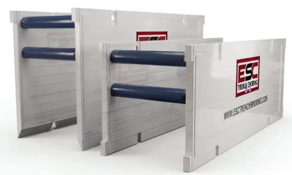
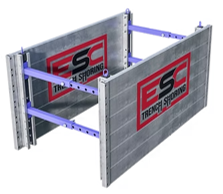
ESC Aluminum Steel Framed Trench Shields


An aluminum steel-framed trench shield is a protective excavation system designed to help protect workers operating within a trench.


Unlike conventional all-steel trench shields, aluminum steel framed shields use a hybrid construction intended to balance reduced equipment weight with the structural requirements of trench protection applications.


Depending on the specific shield design and configuration, key considerations may include:


  • Reduced overall equipment weight

  • Efficient transportation and handling

  • Practical installation and removal

  • Easier repositioning along linear excavations

  • Compatibility with available lifting equipment

  • Structural performance appropriate for the specified application


Exact construction, dimensions, weight, allowable depth, and configuration requirements should always be confirmed using the manufacturer's current tabulated data and engineering documentation.


Why Weight Matters in Trench Shield Selection


Trench shield weight directly influences lifting requirements, transportation, installation, repositioning, and overall jobsite efficiency.


For utility work and linear excavations in particular, the shield may need to be moved repeatedly as excavation, installation, and backfilling progress along the alignment. A lighter system may allow the site's available excavator or lifting equipment to handle and reposition the shield more efficiently.


However, the lightest trench shield is not automatically the right trench shield.


Selection should consider the complete excavation conditions, including:


  • Trench depth, width, and length

  • Soil classification and stability

  • Groundwater conditions

  • Adjacent structures

  • Surface loads and obstructions

  • Overhead restrictions

  • Excavation geometry

  • Required working clearance

  • Available excavator or crane capacity

  • Manufacturer's tabulated data


These factors should be assessed together when determining the most appropriate trench protection system for a project.


Aluminum vs. Steel vs. Aluminum Steel Framed Trench Shields


There is no single trench shield material or configuration that is ideal for every excavation. The appropriate choice depends on the project requirements, excavation conditions, available equipment, and system-specific engineering data.


Aluminum Trench Shields


They can provide a practical trench protection solution for utility contractors, municipalities, maintenance crews, and construction teams working on projects where equipment capacity or frequent shield repositioning must be considered.


Aluminum Trench Shield

Their relatively lightweight construction can make them well suited to certain utility, repair, maintenance, and excavation applications.


The appropriate allowable depth and configuration should always be determined from the tabulated data for the specific shield.


Steel Trench Shields


ESC's steel trench shield range features heavy-duty construction, including fully welded panels and fixed or adjustable spreaders. Available configurations can accommodate different excavation dimensions and jobsite requirements.


steel trench shield

Because steel trench shields can be considerably heavier than lighter alternatives, contractors should consider the lifting capacity and operating limits of their excavator or crane when planning shield installation and repositioning.


Aluminum Steel Framed Trench Shields


This configuration can be particularly relevant when contractors are evaluating shield weight, transportation, lifting requirements, handling efficiency, excavation conditions, and required shield capacity together.


Aluminum steel framed trench shields

Rather than assuming that one material or construction type provides greater capacity, contractors should compare the manufacturer's tabulated data, shield dimensions, weight, allowable depth, and required configuration for the specific excavation.


The final selection should always be based on project conditions and engineering requirements rather than material type alone.


Where Are Aluminum Steel Framed Trench Shields Used?


Aluminum steel framed trench shields can be considered for many types of utility and civil excavation work, including:


  • Water and sewer installation

  • Drainage works

  • Utility maintenance and repair

  • Gas utility trenches

  • Electrical utility installation

  • Pipeline projects

  • Municipal infrastructure improvements

  • Road and civil construction

  • General trench excavation


They can be particularly useful where excavation progresses continuously along a linear alignment.


For example, during water, sewer, drainage, or pipeline installation, excavation, pipe placement, backfilling, and trench shield repositioning may occur repeatedly as crews move along the alignment.


In these situations, shield weight and compatibility with the site's available lifting equipment can directly affect workflow and productivity.


Trench Shielding Is Only One Part of Excavation Safety


A trench shield is designed primarily to protect workers within the shielded working area in the event of surrounding soil movement or collapse. It should not be assumed to support or prevent movement of the trench walls in the same manner as an engineered shoring system.


Before excavation begins, soil conditions, trench geometry, groundwater, surcharge loads, adjacent structures, access requirements, overhead restrictions, and the proposed protective system should all be evaluated.


The manufacturer's tabulated data, allowable depth, approved configurations, assembly requirements, and installation instructions should therefore be reviewed as part of excavation planning.


Choosing the Right Trench Shield for Your Excavation


Before requesting a trench shield quotation, providing accurate project information can help identify a system that is better suited to the actual excavation conditions.


1. Excavation Depth

The maximum anticipated trench depth is a fundamental consideration because the selected shield and configuration must be appropriate for the planned excavation.


2. Trench Width and Working Clearance

The shield must provide sufficient working space for personnel and installation activities while remaining appropriate for the excavation geometry.

Consider both the external excavation dimensions and the internal clear working width required for the project.


3. Soil Conditions

Soil classification and stability can significantly influence excavation planning and the protective system required.

Under OSHA requirements, soil conditions are an important consideration when determining an appropriate protective system.


4. Groundwater Conditions

Water can significantly affect excavation conditions.

Existing groundwater, surface-water infiltration, drainage, and dewatering requirements should therefore be identified during planning.


5. Adjacent Loads and Structures

Nearby buildings, roads, traffic, construction equipment, stockpiled materials, utilities, and other surcharge loads can influence excavation conditions and should be considered during planning.


6. Utility or Structure Being Installed

The type and dimensions of the infrastructure being installed affect the working area required inside the shield.

For example, pipe diameter, couplings, manholes, drainage structures, valves, and other components may influence the required internal clearance.


7. Available Lifting Equipment

The size and lifting capacity of the excavator, crane, or other lifting equipment should be considered alongside the shield's dimensions and weight.

A shield that cannot be handled safely and efficiently by the available equipment can create unnecessary operational challenges.


Providing these details early allows the trench shield supplier to evaluate a configuration that better reflects the project's actual requirements.


Why Work With a Specialist Trench Shield Manufacturer?


A trench shield should not be selected based on dimensions and price alone.


Engineering documentation, tabulated data, available configurations, spreader options, replacement components, accessories, product support, and manufacturer technical information may all become important once the equipment reaches the field.


ESC provides a broad trench protection range that includes:


The ESC trench shield range for the North American market is designed for U.S. and North American construction practices, with products verified and certified by a third-party professional engineer in the United States.


This wider product range allows contractors to evaluate trench protection based on actual project conditions rather than trying to apply one type of trench box to every excavation.


Find the Right Aluminum Steel Framed Trench Shield


Selecting the right trench shield starts with understanding the excavation, not simply choosing a standard box size.

trench shoring catalog

Consider the trench depth and width, soil conditions, groundwater, surrounding loads, required working clearance, installed utility, jobsite restrictions, and available lifting equipment before selecting a system.


For project-specific requirements, ESC Trench Shoring can help evaluate an appropriate aluminum steel framed trench shield based on the excavation requirements and applicable product data.


Planning an excavation?


Excavator lifting an aluminum trench shield for trench protection installation at a jobsite.

The right trench protection system can make a major difference in jobsite safety, excavation efficiency, equipment utilization, and overall productivity.


For contractors working on water and sewer lines, utilities, pipelines, drainage, maintenance, and underground infrastructure, the choice often comes down to two highly practical solutions: modular trench boxes and conventional trench shields.


Modular aluminum trench box installed in an excavation with a worker beside the trench protection system.


Both provide effective worker protection when properly selected and installed. The key is choosing the system that works best with your excavation dimensions, soil conditions, equipment, installation sequence, and site constraints.


At ESC Trench Shoring Inc., we supply trench safety systems built around real field requirements, from lightweight modular aluminum boxes to heavy-duty steel trench shields.


What Is a Modular Trench Box?


A modular trench box gives contractors greater flexibility when a standard trench shield is not the most practical fit.


Modular aluminum trench box configurations showing 2-sided, 3-sided, 4-sided, and 4-sided assembly with T-post.

Instead of a fixed configuration, modular systems use interchangeable components that can be assembled to suit different excavation layouts.


ESC Modular Aluminum Trench Boxes can be arranged in two-sided, three-sided, and four-sided configurations, making them particularly useful for utilities, pits, service connections, maintenance work, and restricted-access excavations.


Why choose an ESC Modular Aluminum Trench Box?


A modular system can be a smart choice when your project requires:


  • Flexible box configurations

  • Lightweight, manageable components

  • Quick mobilization between excavation areas

  • Access around existing utilities

  • Protection for localized or irregular excavations

  • Equipment suitable for smaller jobsites

  • A system adaptable to different project requirements


When Does a Conventional Trench Shield Make More Sense?


  • Steel trench box
  • aluminum modular trench shield


These systems typically consist of two engineered sidewalls connected by spreaders, creating a protected working area for personnel inside the excavation.


Ideal applications include:


  • Water and sewer pipelines

  • Large-diameter pipe installation

  • Stormwater and drainage projects

  • Utility construction

  • Long, narrow excavations

  • Repetitive cut-and-install operations

  • Deeper excavations requiring appropriately rated shielding


This straightforward workflow can help maintain productivity across longer trench runs.


Modular Trench Box or Conventional Trench Shield?


There is no universal solution for every excavation.


The better system is the one that fits the actual conditions on your jobsite.


Project Requirement

Modular Trench Box

Conventional Trench Shield

Changing excavation layouts

Excellent

Good

Utility connections and tie-ins

Excellent

Good

Manholes and localized excavation

Excellent

Application dependent

Long pipeline trenches

Good

Excellent

Large pipe installation

Application dependent

Excellent

Restricted-access sites

Excellent

Equipment dependent

Portability

Excellent

Depends on system

Configuration flexibility

Excellent

Moderate

Repetitive trenching

Good

Excellent


Interior view of an aluminum trench shield with spreaders creating a protected working area inside an excavation.

Trench protection selection should be based on project-specific engineering requirements, site conditions, and the manufacturer’s applicable tabulated data.


Workers positioning a modular aluminum trench box with an excavator at a restricted-access excavation site.

Start With Your Excavation

Before selecting a trench protection system, look at the basic geometry of the excavation:


  • How deep is the trench?

  • What working width is required?

  • How long is the excavation?

  • Will dimensions remain consistent?

  • What pipe or structure is being installed?

  • Are there existing underground utilities?


A project involving service connections, utility crossings, pits, structures, or changing excavation dimensions may benefit from the greater flexibility of a modular system.


Think About Existing Utilities

Underground utilities can quickly turn a straightforward trench into a complicated excavation.


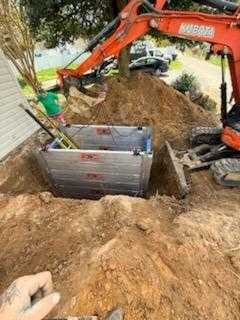
  • Modular aluminum trench box positioned inside an excavation with an excavator during trench protection work.
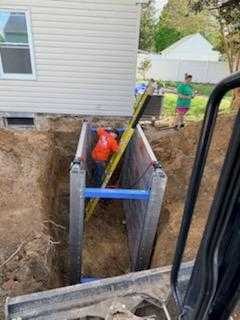
  • Modular aluminum trench box installed in a narrow excavation beside a building during utility work.


The ability to adapt the configuration around the work area gives contractors more options when dealing with congested underground infrastructure.


Match the Shield to Your Equipment

A trench protection system should work with the equipment already operating on the project.


Aluminum and modular systems can offer advantages when:


  • Excavator capacity is limited

  • Access to the site is restricted

  • Frequent relocation is required

  • Transportation space matters

  • Smaller crews are performing the work


Choosing equipment that matches both your excavation and your excavator can help reduce unnecessary handling and improve jobsite efficiency.


Never Overlook Soil Conditions


Soil classification, groundwater, surcharge loads, nearby traffic, adjacent structures, excavation geometry, and other site conditions can all affect protective-system requirements.


The selected trench protection system must therefore be appropriate for the actual excavation conditions and used within the limitations of its engineering data


Choose for Productivity, Not Just Protection

Safety comes first, but the right system should also support the way your crew needs to work.


For long utility installations, that workflow may look like:


Excavate → Position Shield → Install Pipe → Backfill → Advance → Repeat


For repair, maintenance, or utility connection work, the priorities may be different. Crews may need greater access around valves, pipes, manholes, or existing infrastructure.


One Supplier. Multiple Trench Protection Solutions.


Our trench protection range includes:


Whether you need a lightweight system for utility work or a heavy-duty trench shield for demanding pipeline construction, ESC can help you identify a solution suited to your project requirements.


Trench shield installed in a long excavation with workers and excavators during underground construction.

Need a Trench Box? Start With Your Project Details.

Choosing the right trench protection system is easier when you start with the right information.


Trench depth • Trench width • Soil classification • Pipe diameter • Project type • Excavator size • Site constraints


trench shooring catalog

Our team can use those project parameters to help determine a suitable trench protection solution.


Protect the excavation. Keep the project moving.


Disclaimer:

Information provided by ESC Trench Shoring is intended as general product guidance and does not replace project-specific engineering review. Selection, installation, and use of trench shields, trench boxes, and other protective systems must comply with applicable regulations, site requirements, and the manufacturer’s tabulated data.


USA-manufactured aluminum trench box for trench safety and OSHA-compliant excavation projects.


When it comes to excavation safety, choosing the right trench protection system can make a significant difference in both worker safety and project efficiency. For plumbers, utility companies, municipalities, and underground contractors, lightweight trench boxes often provide the perfect balance of protection, mobility, and ease of installation.


At ESC Trench Shoring, we proudly manufacture our trench safety products in the USA, delivering high-quality aluminum trench boxes engineered to meet the demanding requirements of modern excavation projects. Built from premium-grade materials and designed for dependable field performance, our aluminum trench shields help crews work safely, efficiently, and confidently.


Why Choose Aluminum Trench Boxes?


Not every excavation requires a heavy steel trench shield. For smaller excavations, utility service work, maintenance projects, and urban construction environments, aluminum trench boxes offer several advantages.


ESC Aluminum Trench Shields provide the same fundamental worker protection as traditional trench boxes while significantly reducing overall weight, making them easier to transport, position, and install on-site. These systems are specifically designed for routine maintenance, basic repairs, utility installations, and other excavation activities where efficiency matters.  


The result is a trench safety solution that helps contractors:

  • Reduce installation time

  • Improve mobility around the jobsite

  • Minimize equipment requirements

  • Increase crew productivity

  • Maintain a safer excavation environment


ESC aluminum trench boxes ready for shipment outside the ESC Trench Shoring manufacturing facility.


Serving a Wide Range of Industries


Plumbers

From water service repairs to sewer line installations, plumbing contractors regularly encounter narrow trench excavations. ESC aluminum trench boxes provide a lightweight solution that can be quickly deployed, helping keep crews protected while maintaining productivity.


Municipalities and Public Works Departments

Cities and local governments are responsible for maintaining critical underground infrastructure, including water, sewer, and drainage systems. ESC aluminum trench boxes are ideal for maintenance crews that require frequent excavation access and rapid deployment.


Utility Companies

Water, wastewater, gas, telecommunications, and electrical utility contractors rely on trench protection systems every day. Aluminum trench shields provide a practical solution for routine service work, emergency repairs, and infrastructure upgrades.


Underground Contractors

Underground construction projects demand trench safety systems that are both durable and efficient. ESC aluminum trench boxes allow contractors to move quickly from one excavation to another without sacrificing worker protection.


Built to Perform in the Field

ESC Aluminum Trench Shields are manufactured from high-grade aluminum and engineered for strength, durability, and ease of use. Every system is designed to help protect workers from cave-ins and unstable soil conditions while maintaining practical handling characteristics in the field.


Key features include:

  • 6061-T6 Aluminum Alloy Construction

  • 3-inch wall thickness

  • 4-inch steel spreader thickness

  • Professional Engineer Certified Designs

  • Adjustable vertical height clearance

  • Custom lengths available

  • Integrated lifting lugs

  • Foam-filled construction as standard

  • Easy installation

  • Lightweight handling

  • Industry-leading working range 


These features combine to create a trench safety system that delivers both performance and practicality on demanding jobsites.


ESC Aluminum Trench Box Sizes and Configurations


ESC Aluminum Trench Shields are available in:


  • 4 ft panel heights

  • 6 ft panel heights

  • 8 ft panel heights

  • Lengths up to 16 ft

  • Custom configurations upon request 


Whether you're working in a compact service trench or a larger utility excavation, ESC can provide a trench shield solution tailored to your specific project requirements.


The USA Manufacturing Advantage


In today's construction environment, equipment reliability and availability are more important than ever. As a USA-based manufacturer of trench safety equipment, ESC Trench Shoring maintains control over product quality, engineering standards, and customer support.


ESC aluminum trench box panels being manufactured and loaded at a USA production facility.


When you choose ESC, you're partnering with a company that understands excavation safety and delivers solutions built specifically for North American contractors, utilities, and municipalities.


A Smarter Alternative for Smaller Excavations


For many maintenance, repair, and utility installation projects, aluminum trench boxes are the ideal alternative to heavier steel systems. They provide reliable worker protection while offering the mobility and flexibility today's contractors need to keep projects on schedule.


Protect Your Crew with ESC Aluminum Trench Boxes


Every trench presents risks. The right trench protection system helps reduce those risks while improving productivity and operational efficiency


Lightweight aluminum trench shields engineered for excavation safety, utility installations, municipal infrastructure projects, and underground construction.


Looking for lightweight, OSHA-focused trench protection solutions for your next project?

Talk to the experts at ESC Trench Shoring. Our team can help you select the right aluminum trench box for your excavation requirements, whether you need a standard configuration or a custom-designed solution.


✅ Made in the USA

✅ Engineered and Certified for Safety

✅ Lightweight and Easy to Install

✅ Custom Sizes Available

✅ Fast Support from Trench Safety Specialists


Phone: +1 (980) 689-4389

bottom of page