top of page

BLOGS

ESC Comprehensive Trench Safety Add-Ons


Enhancing Trench Safety with Guardrails, Platforms, and Ladders


Trench shoring is essential for stabilizing soil during excavation, but true safety goes beyond the trench walls. Contractors, engineers, and agencies must also protect workers operating above ground. That’s where complementary trench safety accessories—such as guardrails, crossover platforms, and ladders—come in.


Shoring protects the trench, but what protects the workers above ground? ESC’s expanded trench safety solutions answer this question by combining structural stability with worker protection.


Why Safety Accessories Matter


OSHA Trench Compliance Goes Beyond Shoring


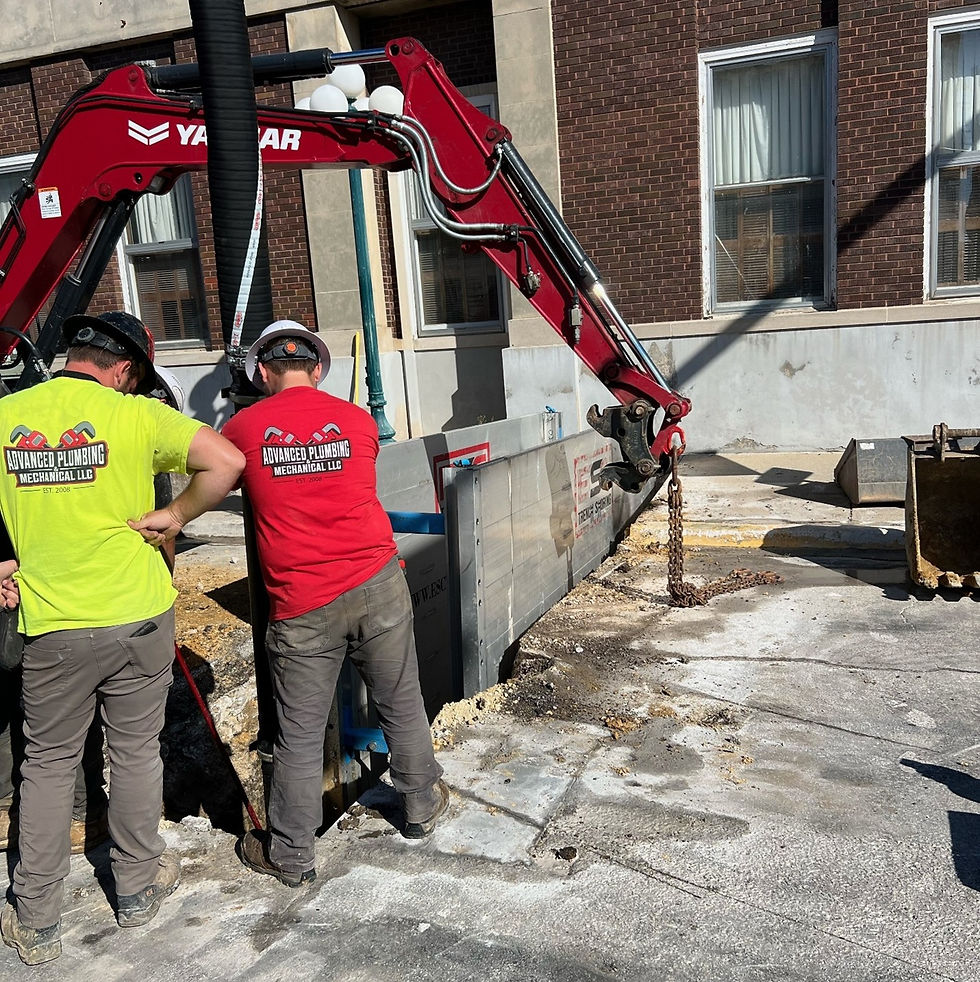
trench shoring workers

Trench shoring systems are designed to stabilize soil and prevent cave‑ins, but OSHA trench safety standards require more than just structural support. Fall protection and safe access are critical components of compliance. Guardrails, platforms, and ladders directly address OSHA 1926.502 and excavation safety requirements, ensuring contractors not only meet regulations but also demonstrate a proactive commitment to worker protection. By integrating these accessories, crews reduce liability risks and strengthen their safety culture.


Risks of Unprotected Trenches


An open trench without guardrails or proper access systems is a high‑risk environment. Workers face hazards such as:


  • Falls into trenches when edges are left unprotected.

  • Unsafe climbing when crews rely on makeshift methods like climbing trench walls or using unsecured ladders.

  • Restricted mobility that slows down workflow and increases fatigue.


These risks don’t just endanger workers; they also jeopardize project timelines and expose contractors to costly fines or shutdowns.


How Accessories Improve Safety and Efficiency


Safety accessories transform trench boxes into comprehensive protection systems.


  • Accident reduction: Guardrails prevent falls, ladders provide secure entry and exit, and platforms ensure safe passage across trenches.

  • Regulatory compliance: Accessories help contractors meet OSHA trench safety standards, reducing the risk of violations.

  • Worker confidence: When crews know they have reliable fall protection and safe access, they work more efficiently and with greater focus.

  • Operational efficiency: Organized storage crates and modular designs minimize downtime, allowing faster setup and smoother workflows.


In short, trench safety accessories are not optional additions. They are essential tools that protect lives, improve compliance, and keep projects moving forward.


Next-Level Access Solutions Delivering Total Safety Across All Projects


ESC Guardrail Systems: The First Line of Defense Against Trench Falls


At ESC, trench safety is never left to chance. Our ESC Guardrail Systems are engineered as the first line of defense against falls around open trenches, providing contractors with OSHA‑compliant protection that integrates seamlessly with ESC trench boxes. By combining durability, modular design, and ease of transport, ESC delivers a guardrail solution that keeps crews safe and projects on schedule.


Key Features of ESC Guardrail Systems


  • Modular Clamp‑On Design for Quick Installation ESC guardrails are designed with a clamp‑on mechanism that attaches directly to trench box walls. This modular approach ensures fast installation and removal, allowing crews to secure trench edges without slowing down operations.

  • Seamless Compatibility with ESC Trench Boxes Built to work hand‑in‑hand with ESC trench shoring systems, our guardrails provide a consistent safety solution across different trench sizes and configurations. Contractors benefit from a fully integrated system that eliminates the need for custom adjustments.

  • Durable Powder‑Coated Steel for Long Service Life Manufactured from heavy‑duty steel and finished with a powder‑coated surface, ESC guardrails resist corrosion and withstand harsh jobsite conditions. This durability ensures reliable performance project after project.


ESC Guardrail Systems


To simplify logistics, ESC offers guardrail systems in pre‑packaged kits complete with heavy‑duty storage crates.


  • Pre‑Packaged Solution for Fast Deployment Each kit includes all components needed for immediate setup, reducing downtime and ensuring safety measures are ready when crews arrive onsite.

  • Organized Storage and Transport with ESC Crates Our crates keep guardrail parts secure and protected during transport. Fork pockets and lifting hooks make handling easy, while stackable construction saves space on busy jobsites.

  • Ideal for Contractors Managing Multiple Sites For contractors working across several projects, ESC’s crate system streamlines logistics. Guardrails can be moved quickly from site to site, ensuring consistent safety standards wherever excavation work is performed.


Why It Matters


ESC guardrails are not just accessories—they are essential safety infrastructure. By preventing falls, streamlining installation, and ensuring OSHA compliance, ESC helps contractors protect workers, reduce liability, and maintain productivity. When paired with ESC trench boxes, our guardrail systems form a complete trench safety solution designed for today’s demanding excavation environments.


ESC Guardrail Systems


ESC Trench Box Crossover Platform: Safe Passage Across Trenches


ESC Trench Box Crossover Platform

After securing trench edges with ESC Guardrail Systems, the next challenge is mobility. Workers often need to move from one side of a trench to the other, and without a safe pathway, they risk delays or unsafe shortcuts. The ESC Trench Box Crossover Platform bridges this gap—literally—by providing a secure, OSHA‑compliant walkway that keeps crews safe while maintaining productivity


Key Benefits of the ESC Crossover Platform


Practical Use Cases

The ESC Trench Box Crossover Platform is versatile enough to support a wide range of excavation projects:


  • Utility Installation: Crews can move safely across trenches while laying cables, pipes, or conduits.

  • Pipeline Projects: Platforms provide secure passage for teams working on long trench runs, reducing downtime.

  • Multi‑Trench Sites: On complex jobsites with multiple excavation zones, crossover platforms streamline movement, keeping workflows efficient and reducing bottlenecks.


Why It Matters

Guardrails protect workers at the edge, but crossover platforms extend that protection across the trench. Together, they form a continuous safety system that reduces risk, improves compliance, and keeps projects moving forward. By combining durability, OSHA compliance, and seamless integration, ESC’s crossover platform delivers both safety and efficiency for modern excavation sites.


ESC Trench Box Ladder System


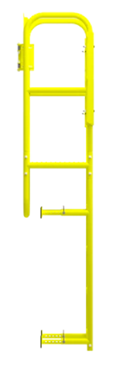
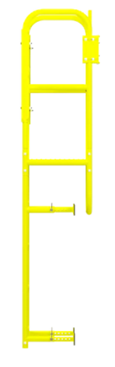
Guardrails protect the edges, crossover platforms secure movement across trenches—and the next critical step in a complete safety system is safe vertical access. Getting in and out of a trench may seem routine, but without the right equipment, workers often resort to unsafe climbing methods that put them at risk. The ESC Trench Box Ladder System is designed to eliminate those risks by providing a sturdy, OSHA‑compliant solution for trench access.
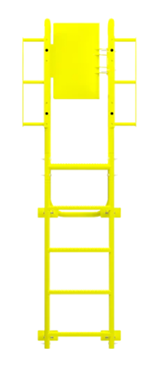
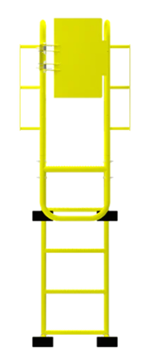
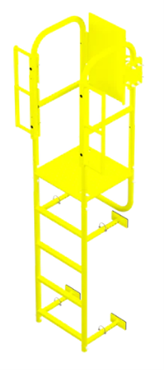
  • ESC Trench Box Ladder System
  •  ESC Trench Box LaddeR
  •  ESC Trench Box LaddeR
  •  ESC Trench Box LaddeR
  •  ESC Trench Box LaddeR

Key Features of the ESC Ladder System


Advantages of ESC Ladder Systems


Why It Matters

Just as guardrails and crossover platforms protect workers above ground, ladders protect them during vertical movement. Together, these systems form a complete safety ecosystem around ESC trench boxes—stabilizing the soil, securing the edges, enabling safe passage, and ensuring safe access. With the ESC Trench Box Ladder System, contractors can be confident that every step their crew take, whether across or into a trench, is supported by proven safety design.


Guardrail Storage Crate 


Guardrails secure trench edges, crossover platforms provide safe passage, and ladders ensure proper access. But to keep these systems effective, contractors also need a way to manage them efficiently across multiple sites. That’s where the ESC Guardrail Storage Crate comes in. It’s not just about storing equipment, it’s about making trench safety practical, organized, and ready to deploy whenever crews need it.


ESC Guardrail Kit with Crate 

  • ESC Guardrail Kit with Crate
  • ESC Trench Box Guardrail Kit with Crate

 Key Features of the ESC Storage Crate


Benefits for Contractors


Why It Matters

Just as guardrails, crossover platforms, and ladders protect workers, the storage crate protects the systems themselves. It’s the final piece in ESC’s holistic trench safety approach—ensuring that equipment is not only effective but also practical to manage. By combining durability, organization, and efficiency, the ESC Guardrail Storage Crate helps contractors keep safety at the forefront while staying on schedule.


How These Systems Complement ESC Trench Shoring

ESC trench boxes are designed to stabilize the soil and prevent cave‑ins, forming the foundation of safe excavation. But true trench safety doesn’t stop at stabilization extends to protecting the workers who operate around and inside the trench. That’s why ESC’s guardrails, crossover platforms, ladders, and storage crates are essential components of a holistic trench safety approach.


Shoring Stabilizes the Trench; The Complementary System Protect Workers

Shoring systems keep the ground secure, while guardrails prevent falls, platforms provide safe passage, ladders ensure proper access, and crates keep everything organized. Together, they create a complete safety ecosystem that addresses both structural integrity and worker protection.


Efficiency Gains: Faster Setup, Safer Workflow, Reduced Downtime

By integrating modular designs and organized storage solutions, ESC Trench Safety Add-ons make setup faster and more efficient. Crews spend less time preparing equipment and more time focusing on the work itself. This streamlined workflow reduces downtime and keeps projects on schedule.


Compliance: Meeting OSHA Trench Safety Standards

Every Trench Safety Add-on is engineered to align with OSHA trench safety requirements, from fall protection to vertical access. Contractors can be confident that their sites meet regulatory standards, reducing the risk of fines or shutdowns while demonstrating a commitment to worker safety.


Versatility: Adaptable to Different Trench Sizes and Site Conditions

No two excavation projects are the same. ESC’s Trench Safety Add-ons are designed with flexibility in mind—adjustable ladders, modular guardrails, and stackable crates adapt to varying trench dimensions and layouts. This versatility ensures that contractors can maintain consistent safety practices across diverse job sites.


Conclusion

Throughout this discussion, we’ve seen how trench safety goes beyond simply stabilizing the soil. Shoring provides the foundation, but it’s the complementary systems—guardrails, crossover platforms, ladders, and storage crates—that ensure crews can work confidently and securely in every stage of excavation. Together, these solutions create a seamless safety ecosystem: protecting workers at the edge, across the trench, during vertical access, and even in the logistics of managing equipment.


By integrating these Trench Safety Add-ons with ESC trench boxes, contractors gain more than compliance—they gain efficiency, reliability, and peace of mind. Faster setup, safer workflows, reduced downtime, and adaptability to different site conditions all add up to one clear outcome: projects that run smoothly while keeping people safe.


Explore ESC’s full range of trench safety systems and discover how they can strengthen your next project. Contact us today for product demos, detailed specifications, or a safety consultation tailored to your needs.


Phone Number +1 (980) 689 4388


When trench conditions shift, regulations alone won’t protect your crew. ESC’s trench boxes are engineered for extremes—because real-world excavation rarely plays by the book.


ESC trench boxes loaded on a flatbed truck at a construction site,

Most trench boxes are built to meet OSHA standards. That’s the bare minimum. But what happens when soil shifts mid-dig? When does water seep overnight? When does your trench go deeper than expected?


ESC doesn’t just build compliant trench shields. We build trench protection systems that hold up when conditions turn unpredictable—because that’s when lives are on the line.


Why ESC Is the Smarter Choice for Serious Projects


ESC’s trench boxes are designed for contractors, engineers, and agencies who need more than a checkbox solution. Here’s what sets them apart:


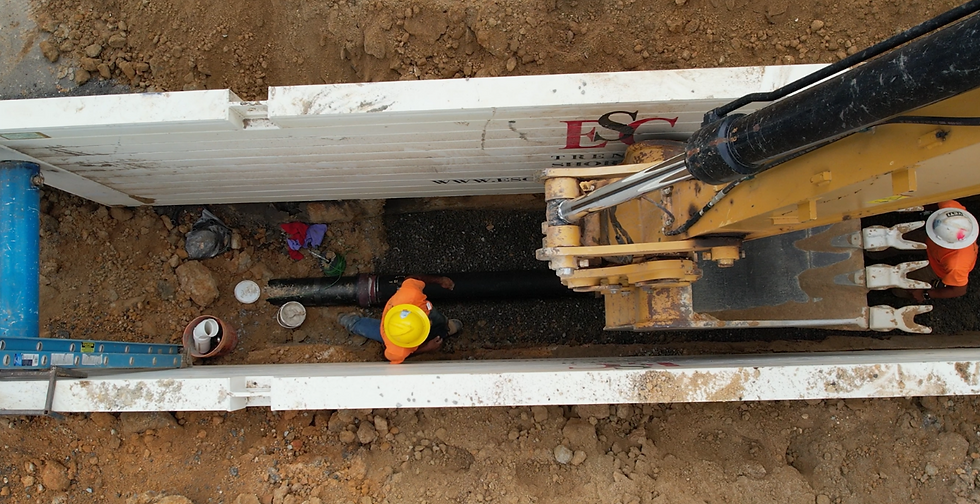
Construction crew working inside an ESC trench box with heavy equipment installing underground pipes.

  • Fully welded panels—no stitch welds, no shortcuts. That means maximum strength across the entire shield. 

  • Depth-rated up to 40 feet, certified by third-party engineers. Ideal for deep utility work, sewer lines, and emergency excavation.

  • Knife-edge and flat-bottom options for better soil penetration and stability.

  • Custom sizing and spreader configurations to match your site—not force your site to match the box.


ESC spreader series

These aren’t just specs. They’re answers to the questions your crew asks when the trench gets deeper, wetter, or riskier than planned.


The Competitive Landscape: What Others Offer—and What They Miss


In the U.S. trench safety market, contractors often face a familiar lineup: aluminum trench boxes and generic steel shields that appear to “do the job.” But dig deeper—literally—and the differences become costly.


Common Options in the Market


Lightweight and easy to handle but limited in depth ratings and prone to flexing under pressure. Suitable for shallow digs, but risky for anything beyond basic utility work.

Often mass-produced with stitch welds and inconsistent steel grades. They meet minimum standards but lack the structural integrity needed for deeper or high-risk excavations.


What’s missing? Depth ratings that go beyond 16 feet. Modular flexibility for complex trenching. And engineering support when conditions change mid-project.


ESC fills those gaps—with trench boxes that are certified up to 40 feet, fully welded for strength, and backed by real engineering expertise.


ESC’s Competitive Advantage: Engineered to Outperform


A. Strength and Depth Ratings - When the trench goes deeper, ESC doesn’t flinch.


ESC’s trench boxes are built for serious depth and serious pressure. Reinforced panels, high-grade steel, and precision welding deliver the kind of strength that holds up in unpredictable soil and high-load conditions. With depth ratings up to 40 feet, these shields aren’t just compliant, they’re built for the realities of deep utility work, emergency excavation, and municipal infrastructure.


B. Modular Efficiency - Time is money. ESC saves both.


ESC’s modular trench box systems are designed for fast setup and teardown—without compromising safety. Custom spreader options and stackable configurations help crews adapt quickly to changing trench dimensions. For contractors juggling tight schedules and complex sites, ESC’s modular efficiency means fewer delays and smoother installs.


C. Support and Customization - No two trenches are alike. ESC builds accordingly.


ESC’s in-house engineering team works directly with contractors and agencies to design trench boxes that match your site’s specific challenges. Whether it’s a tight urban dig or a sprawling infrastructure project, ESC offers custom builds and technical support that go beyond the catalog. It’s trench protection tailored to your reality.


Side-by-Side Comparison: Why ESC Delivers More Than the Standard


For procurement teams comparing trench protection systems, specs alone don’t tell the full story. ESC’s trench boxes are engineered for real-world excavation—where depth ratings, material integrity, and long-term value matter more than marketing claims. Here’s how ESC stacks up against typical competitors:


Feature

ESC Trench Box

Typical Competitor

Depth Rating

Up to 7m+

3–5m

Panel Strength

High-grade steel

Mixed alloys

Modularity

Fully stackable, adjustable

Limited options

Engineering Support

Included

Rare or extra cost

Longevity

Multi-year durability

Frequent replacement


Procurement Insight:

  • Depth rating matters for sewer lines, emergency digs, and federal infrastructure projects.

  • Material quality affects long-term safety and repair costs.

  • Modularity speeds up installation and adapts to changing trench dimensions.

  • Engineering support ensures compliance and confidence during submittals.

  • Durability reduces replacement cycles and total cost of ownership.


Proven Performance in the Field

Across the U.S., contractors and agencies are making the switch to ESC trench boxes—and the results speak for themselves.


One Midwestern utility contractor faced daily delays due to mismatched trench shields and slow assembly. After switching to ESC’s modular trench box system with custom spreader configurations, they reduced setup time by 40%, allowing crews to trench faster and reclaim lost hours. For procurement teams managing tight schedules, ESC’s modular efficiency translates directly into cost savings and smoother operations.


In the Southeast, a city infrastructure project ran into trouble when deeper trenching was required for sewer upgrades. The competitor’s boxes couldn’t meet the depth requirements, threatening delays and redesigns. ESC stepped in with trench boxes certified to 40 feet, backed by third-party engineering. The project stayed on track, passed review, and avoided costly setbacks. When depth matters, ESC delivers more than compliance—it delivers confidence.


Meanwhile, a civil engineering firm overseeing multi-phase roadwork had grown frustrated with frequent replacements of underperforming trench shields. They invested in ESC’s fully welded, high-grade steel trench boxes and saw a dramatic shift in long-term value. Over three phases, the firm reported zero replacements and lower total cost of ownership. For agencies and contractors managing long-term infrastructure work, ESC’s durability isn’t just a feature, it’s a financial advantage.


ESC’s trench protection systems aren’t just built for depth and impact—they’re built for real-world wins. If you’re evaluating trench boxes for your next bid, ESC offers more than specs. It offers certainty.


Choosing the Right Shield: What ESC’s Product Line Reveals

ESC’s trench shoring systems aren’t one-size-fits-all. They’re engineered to match the realities of excavation across a wide range of applications:


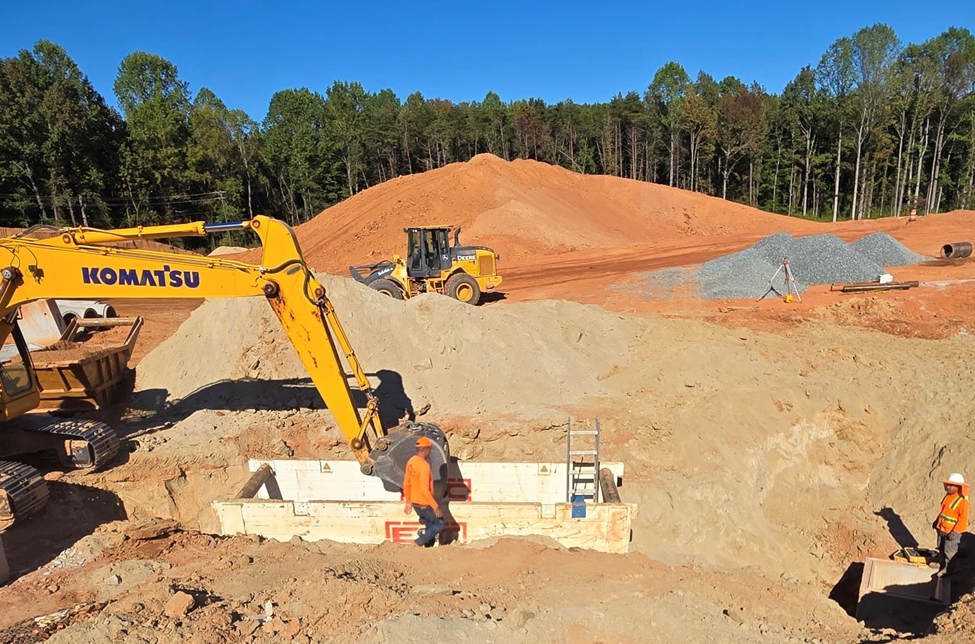
Excavation site with ESC trench box installed and heavy Komatsu equipment assisting workers, demonstrating secure shoring solutions for deep trench safety

ESC’s trench shields are the backbone of serious excavation. Built from high-grade steel and fully welded for structural integrity, these shields are engineered to withstand the lateral pressures of deep trenches, heavy equipment, and unstable soils. With depth ratings up to 40 feet and third-party engineering certifications, they’re ideal for sewer installations, water mains, and emergency response work where failure isn’t an option. These are not commodity boxes—they’re engineered protection systems designed for long-term use and repeat deployment across multiple job sites.


Stacked ESC trench box panels secured on a flatbed truck, ready for delivery to construction sites for reliable excavation safety and shoring solutions.


ESC trench box with white panels and blue struts securely strapped on a flatbed trailer, ready for transport to provide robust shoring solutions for deep excavation safety.

  • Manhole Boxes - For vertical access and confined installations 

    ESC’s manhole boxes are purpose-built for vertical excavations where traditional trench shields fall short. Designed to provide 360-degree protection around confined spaces, these systems are essential for installing or maintaining manholes, vaults, and lift stations. With removable panels and corner posts, they allow for safe entry and exit while maintaining structural support. For municipalities and contractors working in tight urban grids or utility corridors, manhole boxes offer a safer, smarter alternative to improvising with standard shields.


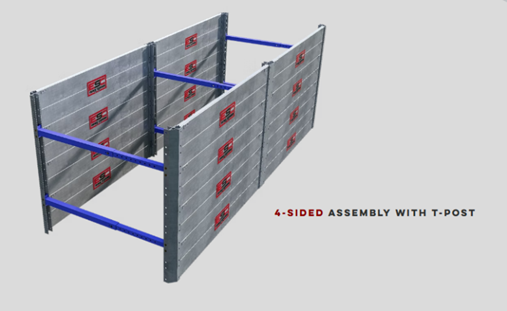
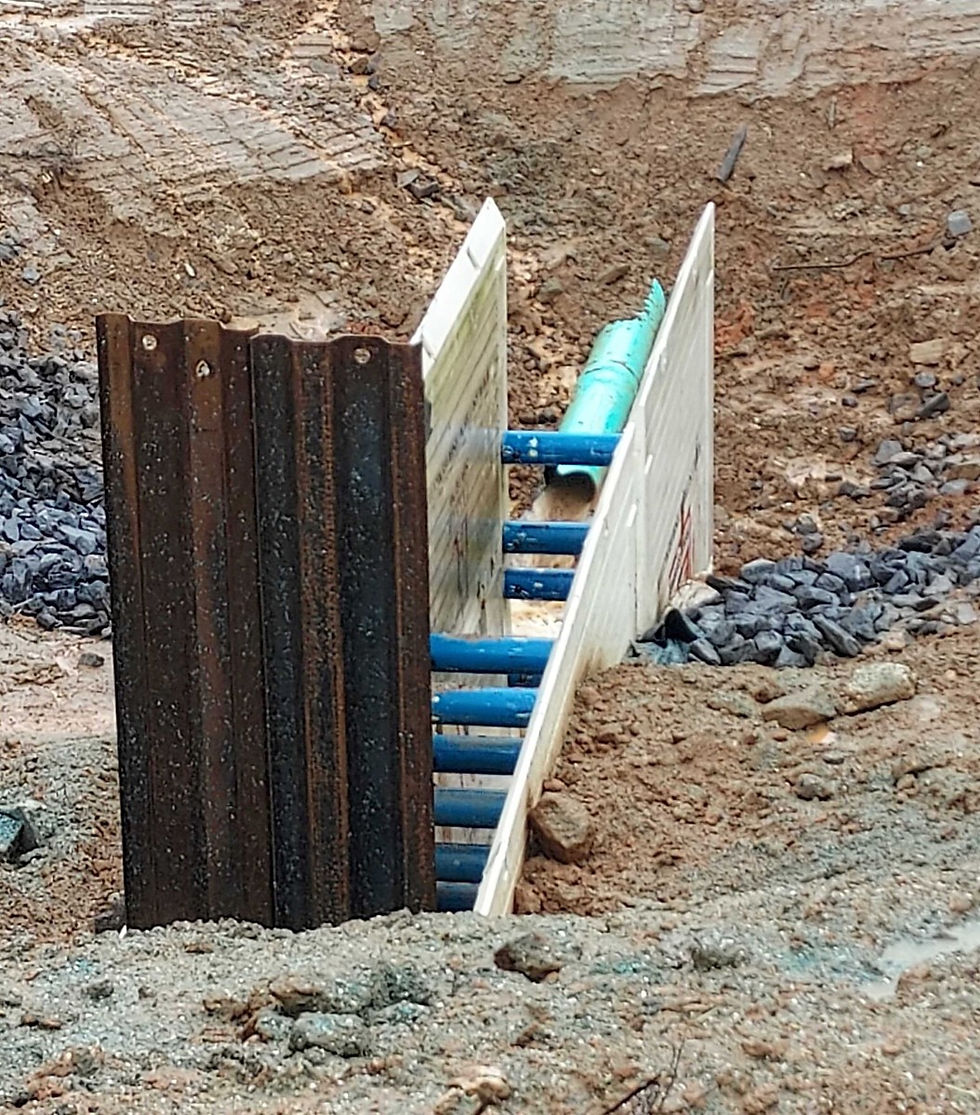
ESC trench box in a 4-sided assembly with T-posts and blue struts, designed for maximum excavation safety and durable shoring solutions.

  • Modular Systems - Adaptable trench protection for changing site conditions 

    No two trenches are alike—and ESC’s modular systems are built with that in mind. These stackable, adjustable trench boxes allow crews to adapt quickly to changing trench widths, depths, and soil conditions. Whether you’re working around existing infrastructure or expanding a dig mid-project, ESC’s modular designs reduce downtime and eliminate the need for multiple shield types. They’re also easier to transport and store, making them a practical choice for contractors managing multiple sites or phased projects.


Spreader Solutions

ESC offers a range of spreader bars and telescopic struts that allow trench boxes to be configured to exact site dimensions. Whether you’re working with a mini-excavator or a full-size backhoe, ESC’s spreader solutions ensure your shield fits the trench—not the other way around. This flexibility improves safety, reduces over-digging, and speeds up installation. For procurement teams, it also means fewer change orders and better alignment with project specs. 


ESC’s bedding boxes streamline material handling by keeping bedding aggregate


Every product is available for sale, and every system is backed by ESC’s in-house engineering team. Whether you're working in Type A, B, or C soil—or dealing with groundwater, overhead obstructions, or adjacent structures—ESC helps you match the right shield to your site.


Built to Win, Not Just to Work

ESC doesn’t build trench boxes for ideal conditions. We build for the moments that test your crew, your timeline, and your reputation. When the trench gets deeper, wetter, or riskier than expected, ESC’s systems hold up—because they’re engineered for impact.


Our commitment goes beyond compliance. It’s about delivering trench protection that performs under pressure, adapts to real-world challenges, and adds long-term value to every project. From fully welded steel panels to modular configurations and in-house engineering support, every ESC system is designed to help you win bids, meet deadlines, and protect your team—job after job.


If you’re comparing trench boxes, don’t just look at specs. Look at outcomes. Look at the crew who’ve made the switch and never looked back. Look at the projects that stayed on track because ESC was in the ground.


Download our spec sheet or request a competitive analysis to see how ESC stacks up for your next project.


CORNELIUS, NORTH CAROLINA Office

20109 Knox Road, Cornelius,

North Carolina 28031, USA


DISTRIBUTION YARD

​​2185 Salisbury Highway, Statesville, North Carolina, 28677​, USA


MANUFACTURING FACILITY

​​2231 Old Wilkesboro Road, Salisbury, North Carolina, 28144 


  • Writer: ESC Trench Shoring Inc.
    ESC Trench Shoring Inc.
  • Jul 20, 2025
  • 6 min read

In the demanding world of construction, trenching is a common yet high-risk activity. Whether you're installing pipelines, laying utilities, or repairing underground infrastructure, working below ground exposes crews to one of the deadliest hazards in the industry: cave-ins.

trench shoring equipment

ESC Trench Shoring Inc. is proud to be a leading provider of trench protection solutions, not just with equipment, but with their expertise, training, and standards that define what safety looks like in real-world excavation sites. This guide explores everything you need to know about trench box safety, how ESC’s certified systems work, and how to protect workers at every depth and every level of experience.


What Is a Trench Box and Why Does It Matter?


A trench box — also known as a trench shield — is a protective system designed to safeguard workers inside excavations by resisting the lateral pressure of surrounding soil. It does not prevent soil movement entirely, but it creates a stable workspace inside the trench.


Each standard trench box consists of:


trench box installation

This two-sided configuration is lowered into position by heavy machinery such as excavators or backhoes. Workers can then enter the trench and perform tasks within the protected space. These systems are essential for preventing injuries caused by cave-ins, soil shifts, or falling debris.


By employing ESC trench boxes correctly, teams can increase productivity while reducing the chance of site delays due to accidents or compliance violations.


How Trench Boxes Work — The Basics of Structural Protection


As trenches deepen, earth pressure begins to act aggressively on the vertical walls. Trench boxes are designed to absorb and redistribute that pressure. Here's how:


  • Side Panels: Made from high-tensile steel or aluminum, panels take on the brunt of the lateral load from the soil.

  • Spreaders: These connect the panels and hold them apart at a fixed width, transferring force from one side to the other.

  • Load Distribution: Instead of collapsing inward, the pressure is pushed into the rigid structure of the box, maintaining a stable environment for workers.


These systems are not designed to shore up the trench walls themselves — rather, they shield workers from the dangers of a collapse. For projects with unstable soil or additional external pressure, engineered shoring or sloping should accompany the trench box setup.


trench boxes for safety shoring


ESC’s Trench Shield Series: Engineered for Excellence


At ESC, trench safety begins with smart design and rigorous engineering. Our Trench Shield Series is a fully developed excavation support system designed for trenches up to 40 feet deep, giving contractors robust protection without compromising performance.


Key Features:

  • Heavy-duty panels fabricated from high-grade materials

  • Adjustable spreaders for variable trench widths

  • Third-party certifications ensuring compliance with national and international standards

  • Fully compliant designs aligned with NAXSA (North American Excavation Shoring Association) guidelines


Each shield is independently certified by professional engineers, verifying its strength, design limits, and proper use under real trenching conditions. ESC Trench Shoring goes the extra mile to ensure each unit delivers not just durability, but confidence at every jobsite.


OSHA-compliant trench boxe

Trenching Safety Basics: Know Before You Dig

OSHA safety guide

OSHA mandates protective systems for all trenches deeper than 5 feet, and for those exceeding 20 feet, the setup must be reviewed or designed by a qualified engineer. ESC makes this process easier by offering tabulated data, assembly instructions, and ongoing support for crews at any level.


Core Safety Practices:

trench shield assembly guide

  • Inspect trench boxes and equipment daily

  • Keep spoil piles and machinery at least 2 feet from trench edges

  • Use high-visibility clothing and personal protective equipment (PPE)

  • Map and mark underground utilities before digging

  • Always work under the guidance of a trained Competent Person


Failure to implement these measures could lead to misuse and may cause serious injuries, delays, fines, or worse. ESC not only supplies compliant trench shields but also actively works with teams to train and support the correct usage from day one.

For detailed regulations, visit OSHA’s Trenching and Excavation Safety page.


The Role of a Competent Person — On Every ESC-Supported Site


According to OSHA, a Competent Person is someone who can identify trench hazards and is authorized to take immediate corrective action. This role is critical to trench safety and must be present on any excavation deeper than 5 feet.


trench shoring safet guide

Responsibilities Include:

  • Classifying soil types and determining stability (Type A, B, C)

  • Inspecting trench boxes, shoring, and protective equipment

  • Monitoring environmental changes (rain, vibration, excavation shifts)

  • Designing and approving access ramps or exits

  • Ensuring proper water removal and trench drainage


No trench box should be installed, stacked, or repositioned without the supervision of a Competent Person. ESC supports supervisors with checklists, guidelines, and training tools to help meet this requirement with confidence.


How to Use Trench Boxes Safely: Eight Expert Tips


Having a trench box on site is only half the battle — using it correctly is essential. Here are eight critical rules every crew should follow:


  1. Know the Purpose

    Trench boxes protect workers, not trench walls. If wall collapse is a concern, combine boxes with engineered shoring.


  2. Respect the Ratings

    Never exceed the manufacturer’s depth rating. Always use boxes as specified in ESC’s tabulated data.


  3. Keep the Bottom Close

    Trench boxes should sit no more than 2 feet above the trench floor. A wider gap increases the risk of a cave-in from below.


  4. Protect the Top Edge

    In sloped trenches, elevate the top of the box at least 18 inches above the soil grade to prevent debris entry.


  5. Inspect Before Entry

    Bent spreaders, damaged panels, or misuse (like lifting from the spreader pipe) require immediate repair or replacement.


  6. End Panel Placement Matters

    Never rest end panels directly on spreader pipes. Always follow engineering specs for proper support and load transfer.


  7. Stack Boxes Safely

    If stack vertically, align and pin each unit carefully. Thinner boxes typically go on top of thicker ones.


  8. Backfill Void Spaces

    The gap between the trench wall and shield must be filled to prevent lateral movement and shifting during excavation.


    ESC Safety Standards_backed by NAXSA


ESC trains crews to follow these practices with visual guides, step-by-step field instructions, and customizable safety


ESC’s Safety Standards — Backed by NAXSA


Safety goes beyond the equipment itself. ESC ensures every trenching operation follows best practices by:


  • Requiring soil classification by a qualified Competent Person

  • Enforcing ESC-specific assembly procedures for consistent results

  • Adhering to NAXSA safety standards and regulations at every stage


As a proud member of NAXSA, ESC encourages clients to reference NAXSA-approved safety guidelines when planning or executing trench operations. These standards represent the best in excavation safety — and ESC is proud to help uphold them.


Trench Safety for New Construction Workers


Joining a construction crew for the first time? Trenching work comes with serious risks, and that’s why safety should be your top priority.


What Every New Worker Should Know:


  • Learn to identify unstable soil conditions, bulges, or gas leaks

  • Use and understand trench boxes, sloping, and shielding systems

  • Respect the authority of the Competent Person — ask questions

  • Stay clear of suspended loads, wear proper PPE, and follow site rules

  • Speak up if something feels unsafe — your voice matters


ESC supports new workers with briefings, training sessions, visual checklists, and simplified guidance that turns complex systems into understandable procedures.


Real-World Applications — Where ESC Shields Make a Difference


ESC Trench Shoring’s trench boxes aren’t confined to one type of jobsite. Our clients span industries like utility installation, oil and gas, water and sewer, infrastructure development, and emergency repair services. Whether you're digging on rural farmland or navigating a tight urban corridor, our systems scale to meet the terrain and task.


For example:

  • In municipal sewer upgrades, ESC trench shields provide fast, repeatable setup in dense neighborhoods, minimizing downtime and traffic disruption.

  • In pipeline construction, deeper excavations are common. ESC’s engineered shields paired with sloping or benching methods help meet environmental and federal standards.

  • In disaster recovery zones, our rapid-deployment boxes help restore critical services while protecting crews under pressure.


Each solution is backed by ESC’s consulting team to help interpret soil data, match equipment with trench requirements, and plan compliant, efficient excavation strategies


excavation protective system

ESC Extended Support: From Planning to Post-Project


ESC’s role doesn’t stop once the shield hits the ground. Our mission is to empower contractors with full-cycle support across:


  • Project planning: Need help interpreting soil classifications or trench depth requirements? We offer expert consultations.

  • Product selection: Choose the right shield dimensions, panel thickness, and spreader combinations.

  • Field troubleshooting: Call our support team to resolve on-site concerns or clarify setup procedures.

  • Training: We provide documentation and live walkthroughs for foremen and site supervisors.


Our team is made up of engineers, safety experts, and product specialists who understand the real pressures of trench work and how to solve them.


Why Choose ESC Trench Shoring Inc.?


There are plenty of trench protection options out there, so why ESC?


modular trench shields


Ready to Dig Smarter, Safer, and Stronger?


esc trench shoring catalog

📞 Speak with our trench safety advisors today +1 (980) 892-2486 / +1 (980) 689 4389

🌐 Visit www.escstrenchshoring.com to explore product lines and download technical data

📩 Reach out via our online contact form to request a quote, schedule a consultation, or access ESC’s full safety toolkit.


Let’s build with care. Let’s dig with confidence. Let’s protect every crew — one trench at a time.


bottom of page